
The characteristics of four shell making processes in precision casting
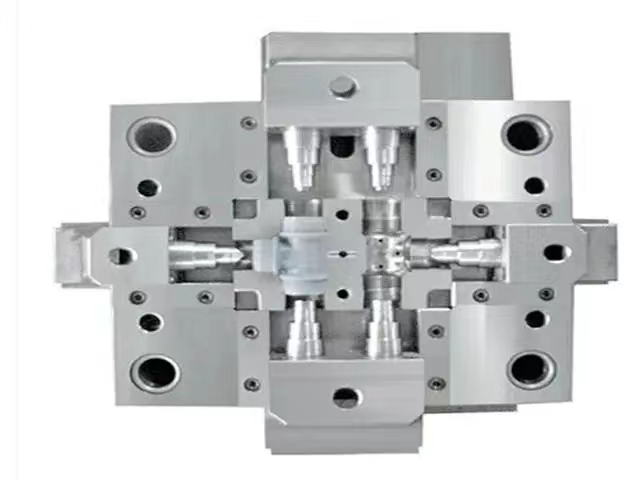
The characteristics of four shell making processes in precision casting
Precision casting is the process of pouring molten metal solution into a shell mold to produce high-precision castings. Today, precision casting manufacturer Yufeng Metal will have a detailed discussion with you about the knowledge and characteristics of four different shell making processes in precision casting. Precision casting automatic arm shell mold
1、 Water glass shell
This technology has a production and manufacturing history of nearly 50 years in China. Through decades of perseverance by colleagues in the precision casting industry, the application and scientific research of water glass shell technology have reached a high level. Over the years, based on the improvement of back layer shell refractory materials and the application and promotion of new hardening agents, the compressive strength of water glass shells has increased exponentially.
2、 Composite shell
Compared with the water glass shell, the surface quality of its castings has been significantly improved, with reduced surface roughness, fewer surface defects, and a lower repair rate. Can be applied to high alloy steels such as stainless steel and heat-resistant steel. The production cycle is much shorter than that of low-temperature wax silica sol shell, similar to that of water glass shell.
3、 Silicone sol (low-temperature wax) shell
This process technology is in line with the national conditions and has great adaptability and advantages in precision casting of medium and large castings weighing over 1kg, especially those weighing over 5kg. Compared to composite shells, the production quality is more stable, especially with higher dimensional accuracy of castings. Due to the absence of water glass, the shell has good high-temperature performance. After being fired at 1000-1200 ℃, the shell has high breathability and strong creep resistance. It can be used for thin-walled parts, complex small and medium-sized castings, and can also produce large-sized castings weighing 50-100kg, such as water pumps, impellers, guide shells, pump bodies, ball valve bodies, valve plates, etc. Compared to thin-walled small and medium-sized castings or large castings, forked or raised shells can be directly cast in front of the furnace, resulting in a higher yield of good products.
4、 Silica sol (medium temperature wax) shell
It is a commonly used precision casting process worldwide, with high production quality and low repair rate. It is particularly suitable for small and medium-sized castings (2-1000g) with high surface roughness requirements and high dimensional accuracy.

What affects the drying of silica sol precision casting shell?
The Important Significance of Stainless Steel Precision Casting
Related Article


