
Effect of cake thickness size on die-casting
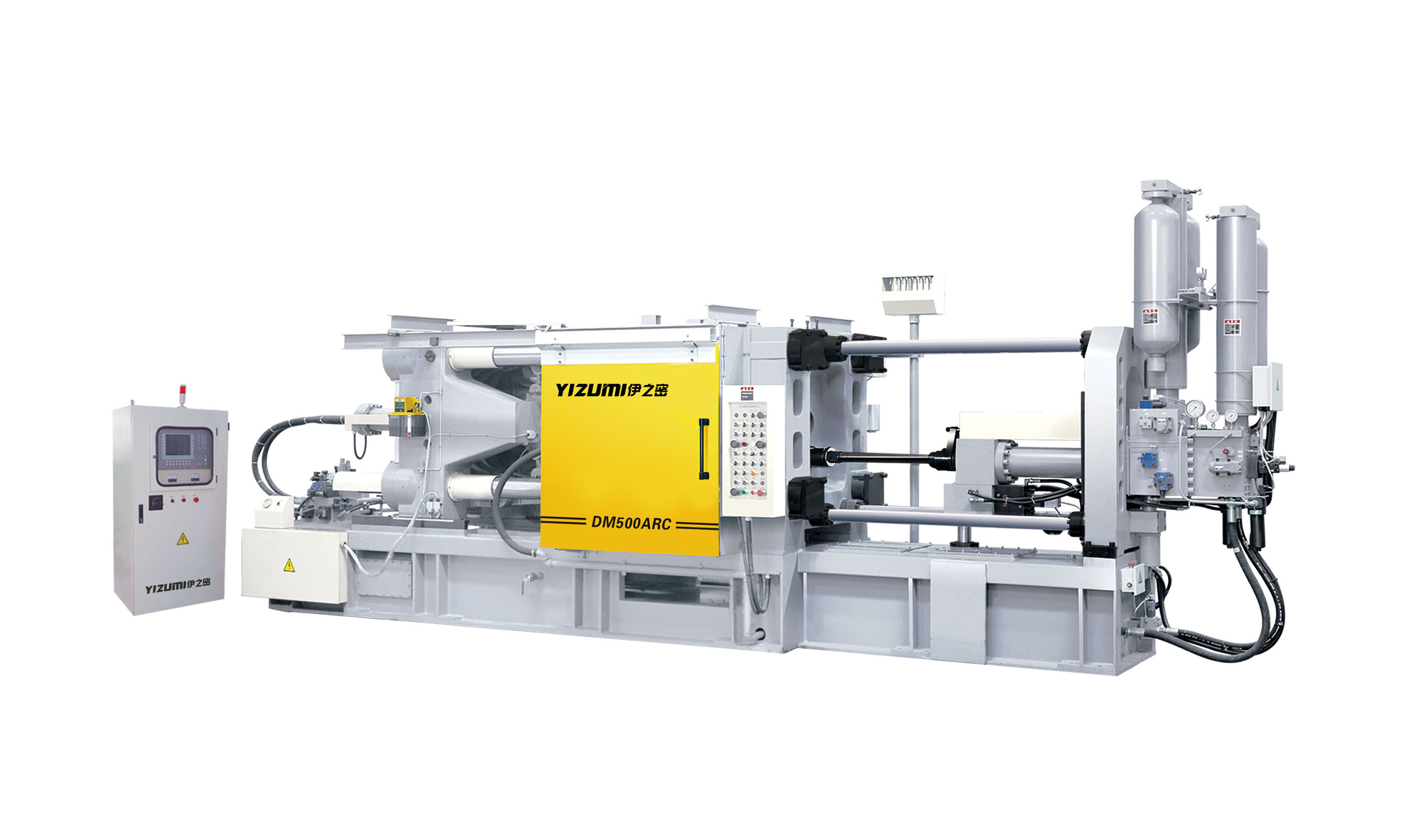
The die casting industry is a global manufacturing sector that produces high-quality metal components for various applications. It uses advanced techniques and equipment to create complex shapes with precise tolerances and surface finish. These components are widely used in industries such as automotive, aerospace, and electronics. The die casting industry plays a critical role in the economy by providing jobs and contributing to the growth of industrial sectors.
Effect of cake thickness size on die-casting
The thickness of the cake is super poor, the product is easy to form undercasting, cold separation (soup), stoma, black, pouring layered lack of meat, loose, shrinkage, product mechanical performance decline and other defects.
One, the size of the material cake thickness specification
- In general, the thickness of the cake is: Φ 50 is 16 ± 5mm Ф 60 is 18 ± 5mm Ф 70 is 20 ± 5mm Ф 80 is 22 ± 5mm Ф 90 is 24 ± 5 mmФ100 is 26 ± 5mm.
2, when the stoma requirements of the product are more strict, the thickness of the cake should be appropriately thickened 2~5mm, namely: Φ 50 is 20 ± 5mm Ф 60 is 22 ± 5mm Ф 70 is 25 ± 5mm
- When the gate sleeve and shunt cone of the mold are not cooled by water, the thickness of the material cake should be appropriately reduced by 2~3mm, i. e., Φ 50 is 4 ± 5mm Ф 60 is 16 ± 5mm Ф 70 is 18 ± 5mm, etc.
Two, the material composition of the material cake is composed of aluminum water with low temperature and poor fluidity around the material tank, impurities poured into the surface of aluminum water in the pressure chamber, oxide skin and a part of the alloy with good high temperature fluidity. High temperature aluminum water liquidity is good, generally flow in the front; near the back is the low temperature and low liquidity of aluminum water.
Three, the thickness of the cake of the impact on the quality of the product cake is too thin, no high temperature, good fluidity and flowing filling cavity, there is no aluminum water that can transfer pressure to the cavity. Products are easy to form undercasting, cold separation, air hole, black, loose, shrinkage, product mechanical performance decline and other defects. The reasons are as follows:
- The aluminum water in the type cavity can not receive the pressure of pressure and pressurization, and the aluminum water can not crystallize under high pressure, and can not form a large number of small internal grain tissue. The internal organization of the product is coarse, loose, the structure is not dense, low mechanical strength, easy to fracture.
- It cannot play the role of filling and shrinking the aluminum water pressure in the pouring channel into the cavity, and the aluminum water in the cavity can not solidify and contract under pressure. The thicker parts inside the product can not accept the pressure when solidification and contraction, which is easy to shrink the hole and release, which increases the porosity inside the product.
- The aluminum water in the chamber does not solidify under pressure, and the hydrogen precipitated from the aluminum water will expand under pressure, forming a large air aperture.
- If the material cake is too thin due to the pouring amount is too little, when the aluminum water is not fired at high speed without the pouring channel, the gas in the pouring channel and type cavity is not well eliminated, and the product is easy to form pores, breath holding, surface soup back (cold separation), blackening and other defects. If the thickness of the material cake is too thin and the pressure loss occurs, the product will have defects such as stoma, loose, shrinkage hole, product mechanical performance decline and so on.
Four, the adverse effects of the thickness of the cake
1, waste of aluminum water, make the furnace material increase, material loss increased.
2, the cake is easy to burst burst, one is hurt, two is to fly out of the aluminum stick to the mold or product.
- When the aluminum water is at low speed, part of the aluminum water has flowed into the cavity before die-casting at high speed. At the low speed, the aluminum water flowing into the cavity will be cooled first to form a soup back and pattern.
- At low speed, the aluminum water flowing into the inner gate will cool and solidify first, and the first cooling and solidified materials will block the inner gate and affect the filling. The cooling and solidified material at the inner gate will be layered with the high-speed filling product. After cutting, the fracture will be bright, and the product will be short of meat.
Energy saving of die casting machine
Some knowledge about die-casting
Related Article


