
What is Die Casting Machine? What is the difference between Hot chamber and Cold chamber?
author: Duddley
2024-04-25
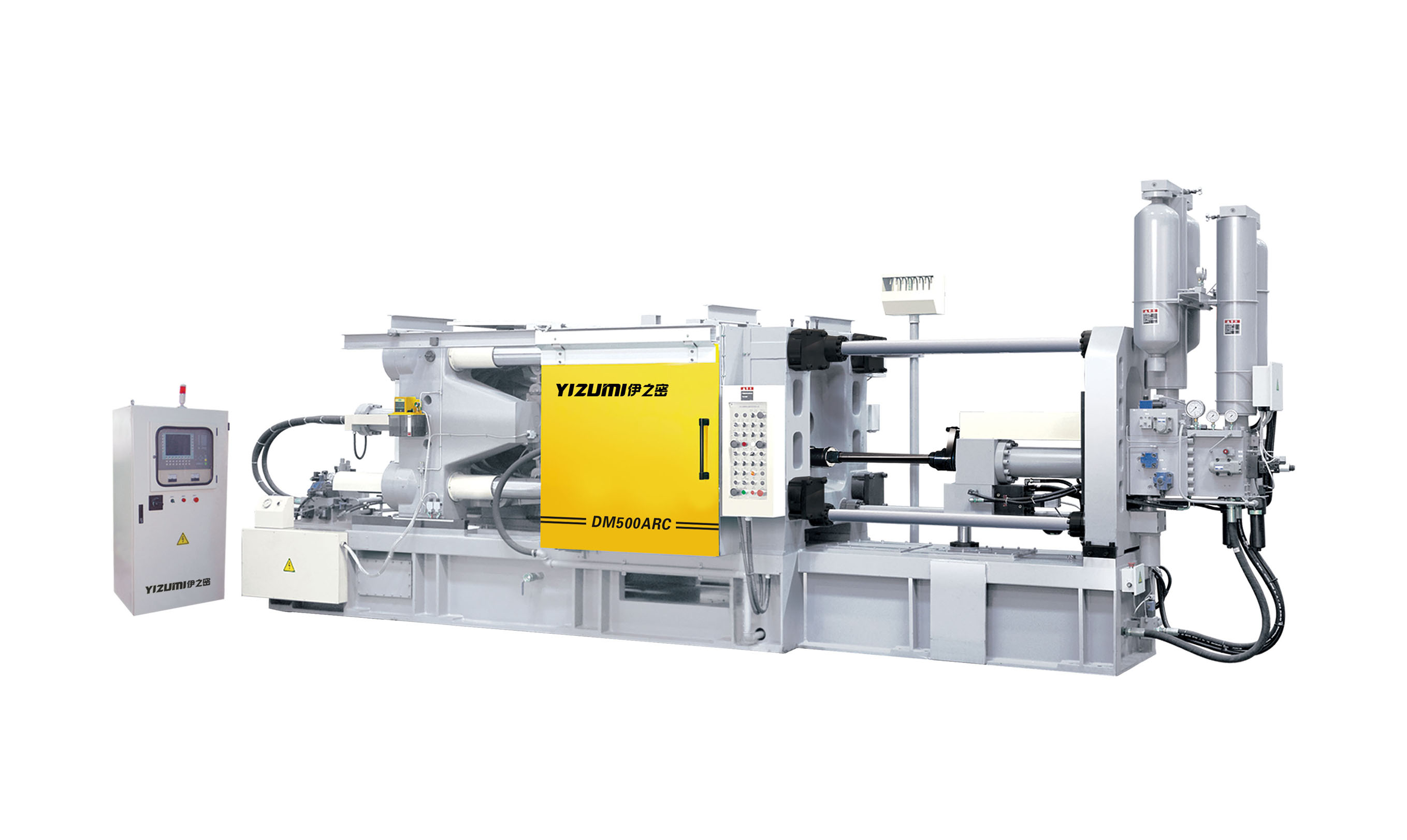
A die casting machine is a manufacturing tool used to produce high volume, low-cost metal parts. The machine melts metal and injects it into a mold at high pressure, creating solid metal parts with accurate dimensions. Die casting machines are commonly used in automotive, aerospace, and consumer electronics industries.

What is Die Casting Machine? What is the difference between Hot chamber and Cold chamber?
Die casting machines can be mainly divided into two different types: hot chamber die casting machines and cold chamber die casting machines. The difference lies in how much force they can withstand, with a typical pressure range of 400 to 4000 tons.
Hot chamber die casting
Hot chamber die casting, sometimes also known as goose neck die casting, has a molten state of liquid or semi liquid metal in its metal pool, which fills the mold under pressure. At the beginning of the cycle, the piston of the machine is in a contracted state, and the molten metal can fill the gooseneck area. Air pressure or hydraulic piston compresses metal and fills it into the mold. The advantages of this system include fast cycle speed (about 15 cycles can be completed per minute), easy automation, and convenient melting of metals. Disadvantages include the inability to die cast metals with higher melting points, as well as the inability to die cast aluminum, as aluminum can remove iron from the melting pool. Therefore, hot chamber die-casting machines are usually used for alloys of zinc, tin, and lead. Moreover, hot chamber die casting is difficult to use for large castings, and usually this process involves small castings.
Cold chamber die casting
When die casting cannot be used for metals in hot chamber die casting processes, cold chamber die casting can be used, including aluminum, magnesium, copper, and zinc alloys with higher aluminum content. In this process, it is necessary to first melt the metal in an independent crucible, and then transfer a certain amount of molten metal to an unheated injection chamber or injection nozzle. These metals are injected into the mold through hydraulic or mechanical pressure. The biggest drawback of this process is the long cycle time, as it requires the transfer of molten metal into the cold chamber. Cold chamber die-casting machines can be divided into vertical and horizontal types. Vertical die-casting machines are usually small machines, while horizontal die-casting machines come in various models.
Hot chamber die casting
Hot chamber die casting, sometimes also known as goose neck die casting, has a molten state of liquid or semi liquid metal in its metal pool, which fills the mold under pressure. At the beginning of the cycle, the piston of the machine is in a contracted state, and the molten metal can fill the gooseneck area. Air pressure or hydraulic piston compresses metal and fills it into the mold. The advantages of this system include fast cycle speed (about 15 cycles can be completed per minute), easy automation, and convenient melting of metals. Disadvantages include the inability to die cast metals with higher melting points, as well as the inability to die cast aluminum, as aluminum can remove iron from the melting pool. Therefore, hot chamber die-casting machines are usually used for alloys of zinc, tin, and lead. Moreover, hot chamber die casting is difficult to use for large castings, and usually this process involves small castings.
Cold chamber die casting
When die casting cannot be used for metals in hot chamber die casting processes, cold chamber die casting can be used, including aluminum, magnesium, copper, and zinc alloys with higher aluminum content. In this process, it is necessary to first melt the metal in an independent crucible, and then transfer a certain amount of molten metal to an unheated injection chamber or injection nozzle. These metals are injected into the mold through hydraulic or mechanical pressure. The biggest drawback of this process is the long cycle time, as it requires the transfer of molten metal into the cold chamber. Cold chamber die-casting machines can be divided into vertical and horizontal types. Vertical die-casting machines are usually small machines, while horizontal die-casting machines come in various models.
Welcome to visit us for more infos: www.tianyaocast.com!
What is die casting tooling, die casting molds, die casting moulds?
What are the materials option for die casting process?
Related Article

CNC lathe, full name Computer Numerical Control (CNC), is a highly automated machine tool equipment, mainly used for metal cutting.
what is a cnc machine

Custom CNC (Computer Numerical Control) machining is a manufacturing process that utilizes computer-controlled tools to precisely shape and form intricate parts and components for a wide variety of industries.
Finding the Best Custom CNC Machining Near Me: Tips and Tricks for High-Quality Parts

Aluminum pressure die casting is a manufacturing process that is commonly used in the production of complex metal parts used in a variety of industries, including aerospace, automotive, and electronics. The process involves injecting molten aluminum alloy into a high-pressure steel die in order to create parts with excellent surface finish and dimensional accuracy.
Exploring the Benefits and Advantages of Aluminum Pressure Die Casting for Industrial Applications

Die cast caterpillar models are highly detailed miniature replicas of the real-life heavy machinery used in construction, mining and agriculture. They are made using precision metal molds that create a highly detailed and realistic version of the equipment. Due to their detailed design and high quality construction, these models are highly valued by collectors and enthusiasts alike.
Exquisite Die Cast Caterpillar - Imported Model