
Air ore defects and causes of die casting
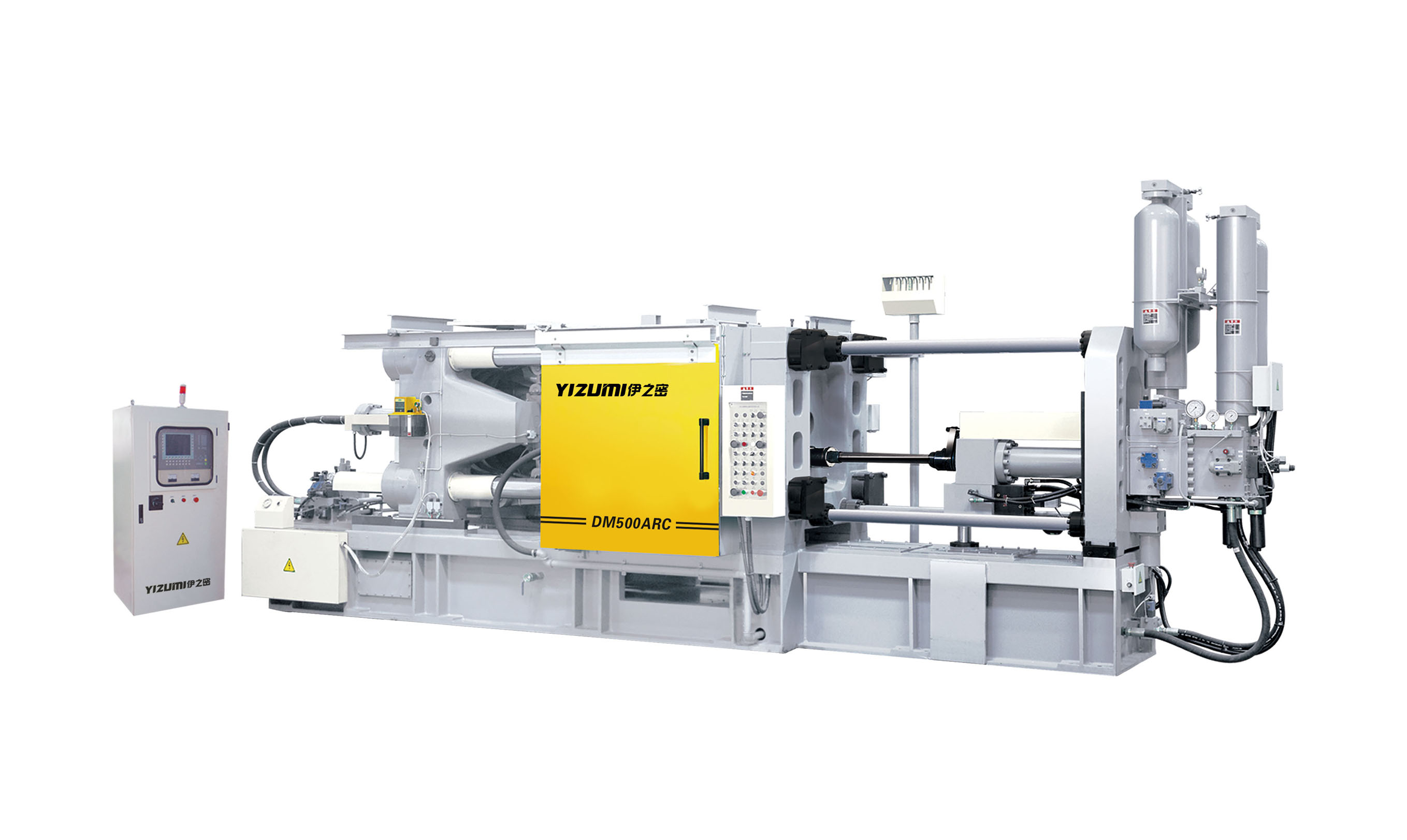
An aluminum extrusion machine is a specialized piece of equipment used to produce long, continuous pieces of aluminum with a constant cross-section. This is done by forcing aluminum through a die using high pressure. The extruded aluminum has excellent strength and is lightweight, making it a popular choice in various industries, such as construction and transportation. Aluminum extrusion machines can produce customized lengths, shapes, and finishes to meet specific customer requirements.
Air ore defects and causes of die casting
In aluminum alloy die-casting production, people often called the product hole pores, pores for many reasons, boil up can be divided into the following categories, respectively due to the refining gas quality poor pores, bad vent, pores caused by improper die-casting parameters, aluminum alloy pores, pores caused by the product wall thickness difference. Now for a specific analysis.
2. Air holes caused by poor exhaust gas In aluminum alloy die-casting, due to the exhaust channel of the mold is not smooth, the mold exhaust design of poor structure, the gas in the die-casting cavity can not be completely discharged smoothly, resulting in the existence of air holes in some fixed parts of the product. The stoma formed by the gas in the mold cavity is large and small, and the inner wall of the stoma is the oxidation color of aluminum and air oxidation. Different from the stoma produced by hydrogen precipitation, the inner wall of hydrogen precipitation is not as smooth as the air hole, and there is no oxidation color, but the bright inner wall of gray. For the pores caused by bad exhaust, the exhaust channel of the mold should be improved, and the residual aluminum skin on the exhaust channel of the mold can be avoided in time.
3. Air holes caused by curgas due to improper die casting parameters In the die casting production, the die casting parameters are improperly selected, the aluminum hydraulic casting filling speed is too fast, so that the gas in the type cavity can not completely timely and smooth extrusion cavity, and the liquid flow into the aluminum liquid, due to the rapid cooling of the aluminum alloy surface, it is wrapped in the solidified aluminum alloy shell, which cannot be discharged to form a large air hole. This stoma is often under the surface of the workpiece, the aluminum liquid inlet is less than the last confluence, pear-shaped or elliptical shape, in the last solidification place is more and large. For this pore should be adjusted to fill the type speed, so that the aluminum alloy flow smoothly, without high speed flow and gas.
- Expansion hole of aluminum alloy Aluminum alloy, like other materials, shrinks when solidified. The higher the casting temperature of aluminum alloy, the greater the contraction. The air hole caused by a single volume shrinkage exists in the last solidification part of the alloy, showing an irregular shape and a mesh in serious cases. Often in the product, it exists at the same time as the hydrogen precipitation pores during solidification, there are shrinkage holes around the hydrogen precipitation pores or coiled pores, and there are filamentary or mesh pores extending to the outside around the bubble. For this kind of stoma, it should be solved from the casting temperature, in the die-casting process conditions allow, as far as possible to reduce the aluminum liquid casting temperature during the die-casting. This can reduce the volume shrinkage of the casting, reduce the shrinkage and release. If this stoma often appears in the heating part, we can consider adding core extraction or cold iron, so as to make it change the final solidification part and solve the problem of leakage defects.
5. Stomata caused by excessive product wall thickness difference The shape of the product often has the problem of excessive wall thickness difference. In the center of the wall thickness is the place where the aluminum liquid finally solidifies, and it is also the most easy part to produce pores. The stoma at the wall thickness is the mixture of the vent and contraction pores, which can not be prevented by general measures. The shape of the product in the design should be considered as far as possible to reduce the uneven wall thickness, or too thick problem, take hollow structure, in the mold design should consider adding core or cold iron, or water cooling, or increase the cooling speed of the mold here. In the die casting production, attention should be paid to the overcooling of large thickness, and the pouring temperature should be appropriately reduced appropriately.
Refining treatment of die-cast aluminum alloy metal liquid
Performance and classification of die-cast aluminum alloy
Related Article


