What is ADC12 Aluminum Alloy?
author: Sam
2024-12-20

What is ADC12 Aluminum Alloy?
As a blogger in the field of materials and manufacturing, I am excited to share with you some fascinating insights about ADC12 aluminum alloy.
I. Introduction
ADC12 aluminum alloy is a popular choice in various industries due to its unique properties and versatility. It is a type of die-cast aluminum alloy that offers excellent mechanical strength, thermal conductivity, and corrosion resistance.
II. Composition and Properties
ADC12 is composed mainly of aluminum, silicon, copper, and magnesium. The specific composition gives it several desirable properties. For instance, the high silicon content provides good fluidity during the casting process, allowing for the production of complex shapes with fine details. The addition of copper and magnesium enhances the alloy's strength and hardness.
Thermal conductivity is another important property of ADC12. This makes it suitable for applications where heat dissipation is crucial, such as in electronic components and automotive engine parts. Additionally, the alloy has good corrosion resistance, which means it can withstand exposure to various environmental conditions without deteriorating quickly.
III. Manufacturing Process
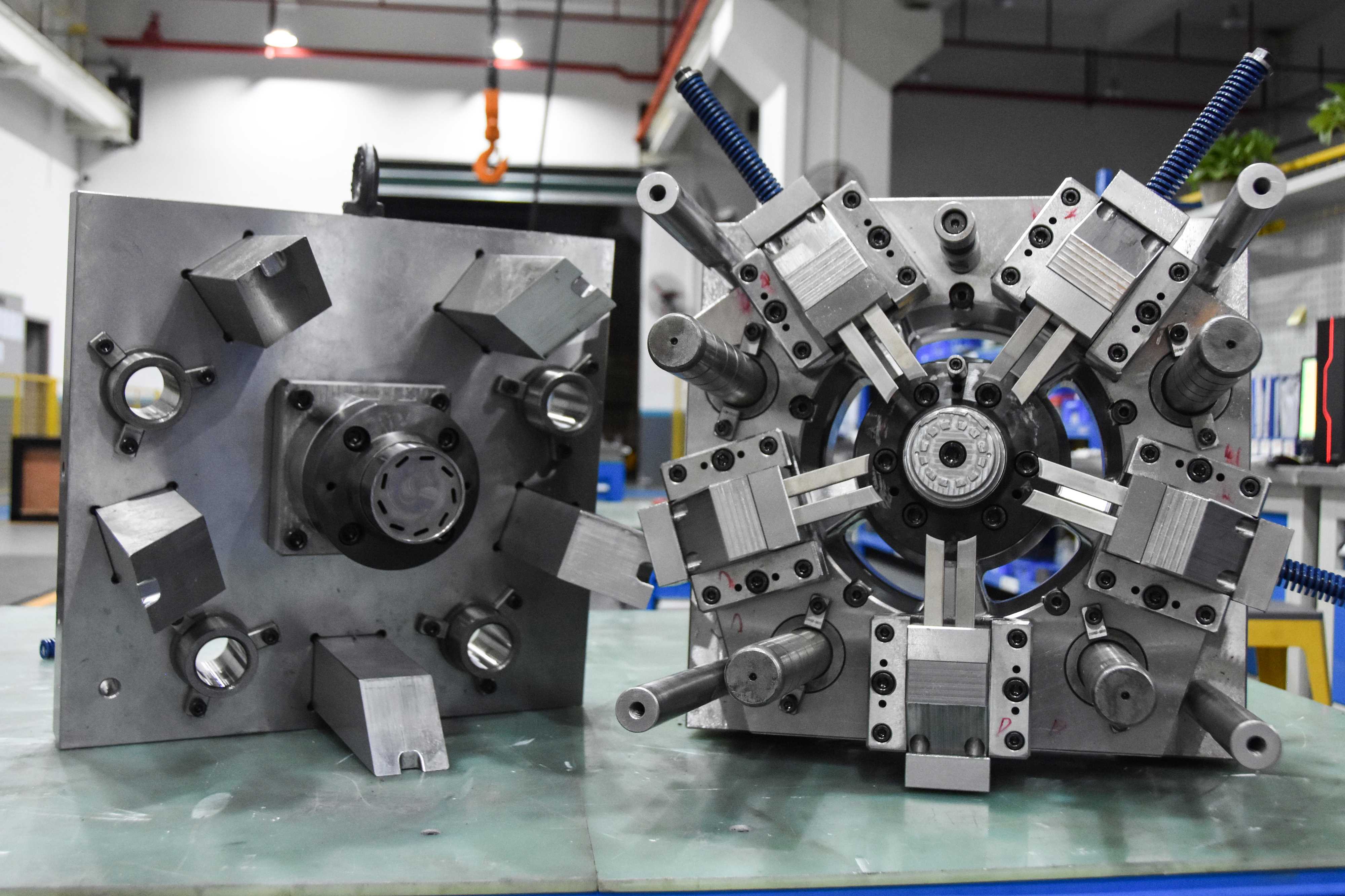
ADC12 aluminum alloy is typically produced through the die-casting process. In this method, molten metal is injected into a steel mold under high pressure. The rapid cooling and solidification of the metal in the mold result in a part with a precise shape and smooth surface finish. Die casting is a highly efficient manufacturing process that allows for mass production of complex parts with tight tolerances.
IV. Applications
The versatility of ADC12 aluminum alloy makes it suitable for a wide range of applications. In the automotive industry, it is used to manufacture engine blocks, transmission cases, and various other parts. The lightweight nature of the alloy helps to reduce the overall weight of the vehicle, improving fuel efficiency.
In the electronics industry, ADC12 is used for heat sinks, enclosures, and other components that require good thermal management. The alloy's corrosion resistance also makes it ideal for use in outdoor electronics and appliances.
Other applications include furniture hardware, lighting fixtures, and decorative items. The ability to produce parts with intricate designs and smooth surfaces makes ADC12 a popular choice for these types of products.
V. Advantages and Disadvantages
Like any material, ADC12 aluminum alloy has its advantages and disadvantages. Some of the advantages include its high strength-to-weight ratio, good thermal conductivity, and corrosion resistance. It is also relatively easy to process and can be recycled, making it an environmentally friendly choice.
However, one of the disadvantages of ADC12 is its relatively lower ductility compared to some other aluminum alloys. This means that it may be more prone to cracking under certain conditions. Additionally, the die-casting process can sometimes result in porosity in the parts, which can affect their mechanical properties.
VI. Conclusion
In conclusion, ADC12 aluminum alloy is a remarkable material with a wide range of applications. Its unique combination of properties makes it a popular choice in industries such as automotive, electronics, and furniture. While it has its limitations, the advantages of ADC12 often outweigh the disadvantages, making it a valuable material for manufacturers and designers. Whether you are involved in engineering, manufacturing, or simply interested in materials science, understanding the properties and applications of ADC12 aluminum alloy can open up new possibilities for innovation and design.
how to make die cast molds