
Low-pressure casting and gravity die-casting
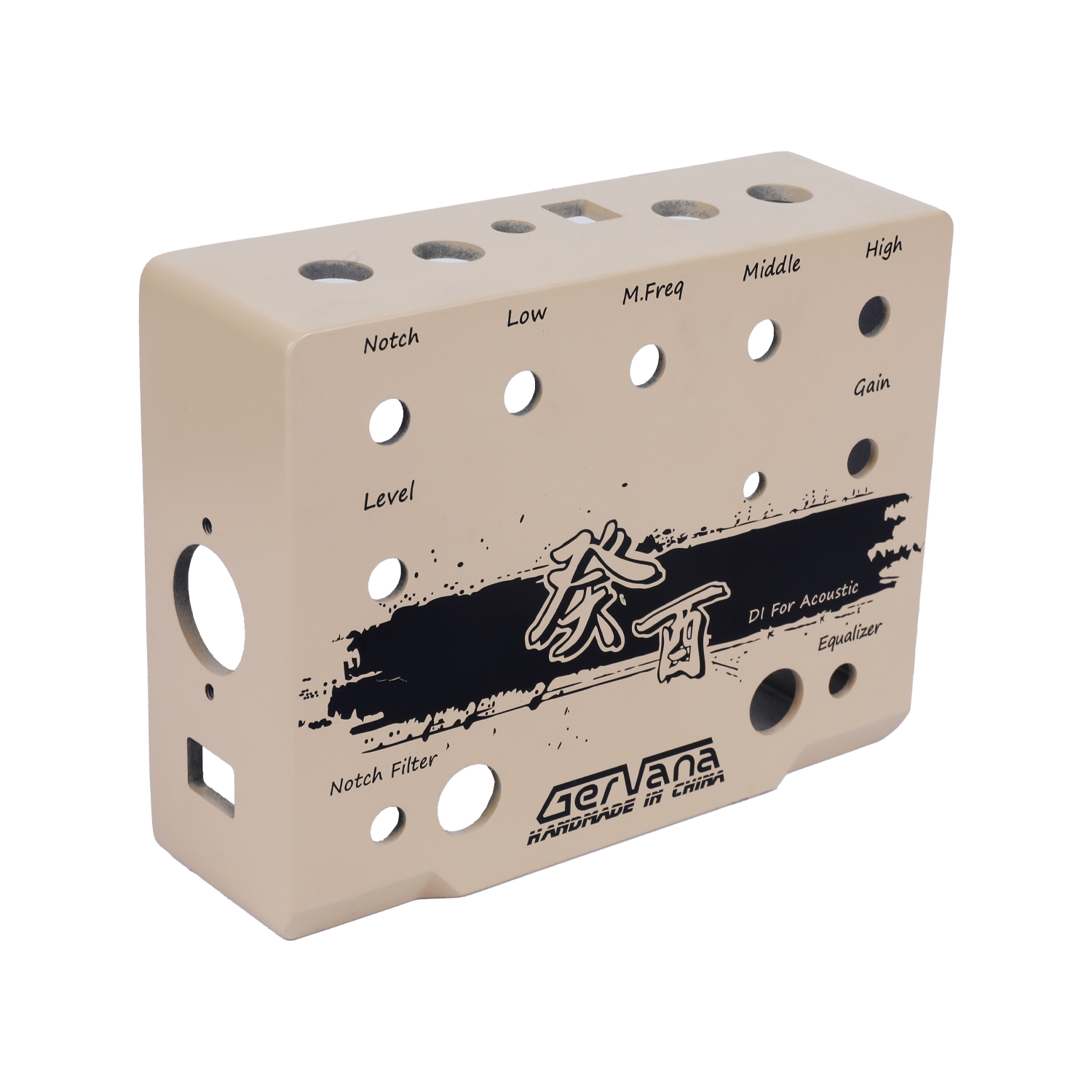
Pressure casting, also known as die casting, is a manufacturing process in which molten metal is forced into a mold cavity under high pressure. This results in accurate and complex parts with tight tolerances and excellent surface finishes. Pressure casting is commonly used to produce high volume and mass-produced parts for industries such as automotive and aerospace.
Low-pressure casting and gravity die-casting
Low pressure casting is a method of filling a liquid metal under pressure to form a casting. Because of the low pressure used, so it is called a low-pressure casting. The process is: in the sealed crucible (or sealed tank), into the dry compressed air, metal liquid under the action of the gas pressure, along the rising tube, through the gate smoothly into the cavity, and maintain the gas pressure on the liquid surface of the crucible, until the casting is completely solidified. Then the gas pressure on the liquid surface is lifted, so that the unsolidified metal flow crucible in the liquid pipe is opened, and then opened by the cylinder and the cast is rolled out.
The unique advantages of low-pressure casting are shown in the following aspects:
1. Liquid metal filling type is relatively stable;
- The casting has good formability, which is conducive to the formation of clear outline, smooth surface casting, and more favorable for the formation of large thin-walled casting;
- Casting is dense tissue, high mechanical performance;
- Improve the process yield of metal liquid, generally do not need to burst, so that addition, good working conditions;
equipment is simple, easy to achieve mechanization and automation, is also the outstanding advantage of low pressure casting. Gravity casting refers to the process of metal liquid injection under the action of the earth's gravity, also known as casting. Gravity casting includes sand casting, metal casting, melt casting, disappearing die casting, mud casting; narrow gravity casting refers to metal casting.
- There are many technological methods to make metal materials into required products, such as casting, forging, extrusion, rolling, rolling, stamping, cutting, powder metallurgy and so on. Among them, casting is the most basic and the most commonly used process.
- Pour the molten metal liquid into the hollow cast made of high temperature resistant material, and get the expected shape product after condensation, which is casting. The resulting product that is being produced is the casting.
- Casting can be divided into black metal casting (including casting iron, cast steel) and non-ferrous metal casting (including aluminum alloy, copper alloy, zinc alloy, magnesium alloy, etc.). Precision casting factory specializes in non-ferrous metal casting, focusing on aluminum alloy and zinc alloy casting.
- Casting can be divided into sand casting and metal casting according to the casting materials. Precision casting factory for these two casting processes, and design and manufacture these two types of casting molds.
- Casting can also be divided into gravity casting and pressure casting according to the pouring process of metal liquid. Gravity casting refers to the process of metal liquid injection under the action of the earth's gravity, also known as casting. Gravity casting includes sand casting, metal casting, melt casting, disappearing die casting, mud casting; narrow gravity casting refers to metal casting. Pressure casting refers to the process of metal liquid being injected into the cast under the action of other external forces (without gravity). Broad casting pressure casting includes pressure casting and vacuum casting, low pressure casting, centrifugal casting, etc. Narrow sense pressure casting refers to metal pressure casting of die casting machine, or die casting. Precision casting factory has long been engaged in sand and metal type gravity casting. These casting processes are the most commonly used in non-ferrous metal casting, but also the lowest relative price.
- Sand casting is a traditional casting process with sand as the main modeling material. Sand type generally use gravity casting, with special requirements can also use low pressure casting, centrifugal casting and other processes. The adaptability of sand casting is very wide, small, large, simple, complex parts, single piece, large batch can be used. Mmold for sand casting used to be made of wood, known as wood mold. Xudong Precision casting factory in order to change the wood mold easy deformation, easy to damage and other disadvantages, in addition to the production of single sand casting, all changed to high size precision, and long service life of aluminum alloy mold or resin mold. Although the price has been increased, but it is still much cheaper than the mold used for metal casting, in the small batch and large piece production, the price advantage is particularly prominent. In addition, the sand type is higher than the metal type, so such as copper alloy and black metal melting point materials also use this process. However, sand casting also has some shortcomings: because each sand cast can only be cast once, the casting is damaged after the casting, and must be re-shaped, so the production efficiency of sand casting is low; and because the overall nature of sand is soft and porous, the size accuracy of the casting of sand casting is low, and the surface is rough. However, years of technical accumulation in precision casting factory has greatly improved the surface condition of sand castings, and its shot blasting effect is comparable to that of metal casting.
- Metal casting is a modern process of making hollow casting mold for casting with heat-resistant alloy steel. The metal type can be cast by gravity or pressure casting. Metal casting mold can be used repeatedly for many times, each pouring of metal liquid, it will get a casting, there is a long life, high production efficiency. Metal casting not only good size precision, smooth surface, but also in the case of pouring the same metal liquid, its casting strength is higher than the sand type, more not easy to damage. Therefore, in the mass production of non-ferrous metal medium and small castings, as long as the melting point of the casting material is not high, generally preferred metal casting. However, metal casting also has some shortcomings: because the heat resistant alloy steel and the hollow cavity on it are more expensive, so the metal mold is expensive, but the overall cost and die casting mold is much cheaper. For small batch production, the cost of the mold allocated to each product is obviously too high, which is generally not easy to accept. Because the metal mold is limited by the size of the mold material and the ability of the cavity processing equipment and casting equipment, so it is powerless for the particularly large castings. Therefore, in the production of small batch and large pieces, the metal casting is rarely used. In addition, although the metal mold uses heat resistant alloy steel, but the heat resistance is still limited, generally used for aluminum alloy, zinc alloy, magnesium alloy casting, in copper alloy casting has been less used, and used for black metal casting is even less. The metal molds of Xudong Precision Casting Factory are all designed and manufactured by themselves, so that they can provide customers with cheap and suitable high-quality molds more timely.
- Die casting is a metal pressure casting on a die casting machine, which is the most efficient casting process at present. Die casting is divided into hot room die casting and cold room die casting. Hot chamber die casting machine has a high degree of automation, less material loss, production efficiency is higher than cold chamber die casting machine, but restricted by the heat resistance of the parts, it can only be used in the production of zinc alloy, magnesium alloy and other low melting point materials. Today's widely used aluminum alloy die casting, due to the high melting point, can only be produced in the cold chamber die casting machine. The main characteristics of die casting is the metal liquid under high pressure, high speed filling cavity, and under high pressure forming, solidification, die pressure of the deficiency is: because the metal liquid under high pressure, high speed filling cavity, inevitably the air in the cavity in the casting, forming subcutaneous pores, so aluminum alloy die casting should not be heat treatment, zinc alloy die casting should not surface spray (but can be painted). Otherwise, when the internal air hole of the casting is heated by the above treatment, it will encounter heat expansion and cause the casting deformation or bubble. In addition, the mechanical cutting allowance of die casting should also be smaller, generally about 0.5mm, which can not only reduce the weight of the casting, reduce the cutting amount to reduce the cost, but also avoid penetrating the surface dense layer, exposing the subcutaneous pores, resulting in the scrap of the workpiece.
Performance and classification of die-cast aluminum alloy
Integrated die-casting is the future industry development trend
Related Article


