
What factors need to be considered in manufacturing CNC precision parts?
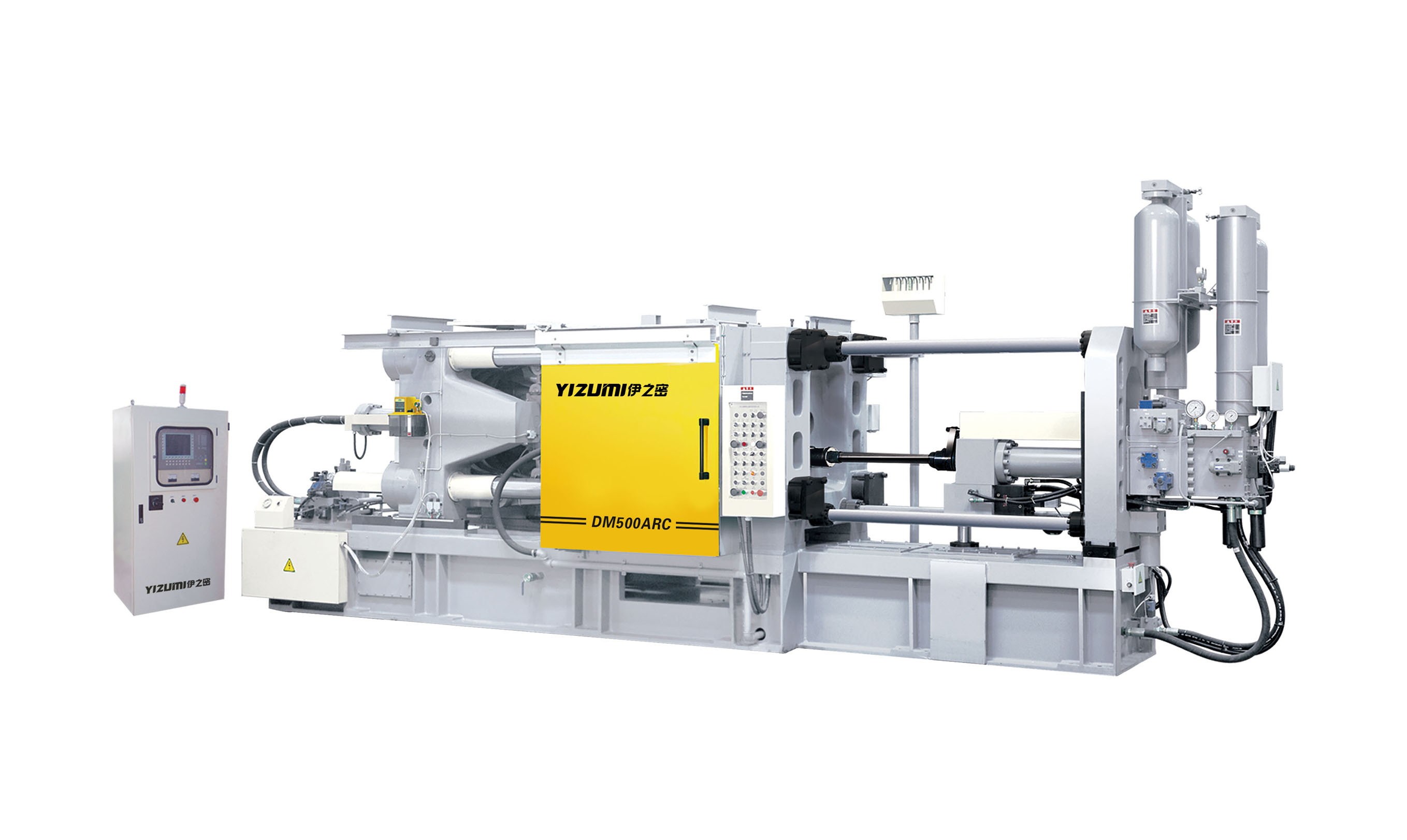
What factors need to be considered in manufacturing CNC precision parts?
Manufacturing CNC precision parts is a complex and precise process that requires considering numerous factors to ensure the quality and accuracy of the parts. Below, we will provide a detailed introduction to the six main factors that need to be considered in manufacturing CNC precision parts.

1. Material selection:
The selection of materials is crucial for CNC precision parts. Different materials have different physical properties and processing difficulties. Therefore, according to the requirements and application fields of the parts, it is necessary to choose suitable materials. Common materials include metals (such as aluminum alloys, stainless steel), plastics, and composite materials. The hardness, toughness, coefficient of thermal expansion, and other characteristics of materials directly affect the machining and performance of parts.
2. Design accuracy:
The first step in manufacturing CNC precision parts is design. The accuracy of design is crucial for the accuracy of subsequent processing. In the design phase, it is necessary to ensure that the dimensions, shape, and geometric features of the parts meet the requirements and avoid design defects. Reasonable design can improve the machining efficiency and accuracy of parts.
3. Tool selection:
Cutting tools are an indispensable part of the CNC machining process. Choosing the correct type and specification of cutting tools can improve machining efficiency and accuracy. The material of the cutting tool, the geometric structure of the cutting edge, and the coating all have an impact on the machining quality. According to the geometric shape, material, and processing requirements of the parts, selecting appropriate cutting tools can reduce cutting force, reduce tool wear, and improve surface quality.
4. Machine tool accuracy:
The accuracy of CNC machine tools is the foundation for manufacturing CNC precision parts. The accuracy of machine tools will directly determine the machining accuracy and surface quality of parts. When selecting a machine tool, it is necessary to consider its machining accuracy, repeated positioning accuracy, spindle accuracy, and other parameters. Meanwhile, regular maintenance and upkeep of the machine tool are also key to ensuring machining accuracy.
5. Processing parameters:
The setting of machining parameters has a significant impact on the machining process of CNC precision parts. Including factors such as spindle speed, cutting feed, feed rate, etc. Reasonable setting of processing parameters can improve processing efficiency and quality. Excessive or insufficient speed and feed may cause tool damage, poor surface quality, or decreased machining accuracy.
6. Testing and Inspection:
After manufacturing CNC precision parts, strict testing and inspection are required. This includes inspection of part size, shape, and surface quality. Common detection methods include coordinate measuring instruments, projectors, micrometers, etc. Through testing and inspection, it can be ensured that the parts meet the design requirements, have the required accuracy and quality.
In summary, manufacturing CNC precision parts requires consideration of factors such as material selection, design accuracy, tool selection, machine tool accuracy, machining parameter settings, and testing and inspection. Each factor plays an important role in the machining quality and accuracy of the parts. Only by comprehensively considering these factors and taking corresponding measures can high-quality and precise CNC precision parts be produced to meet the needs of different industries.

Common application areas of CNC precision components
How CNC precision parts are manufactured
Related Article


