
A detailed explanation of the development of wax loss precision casting technology
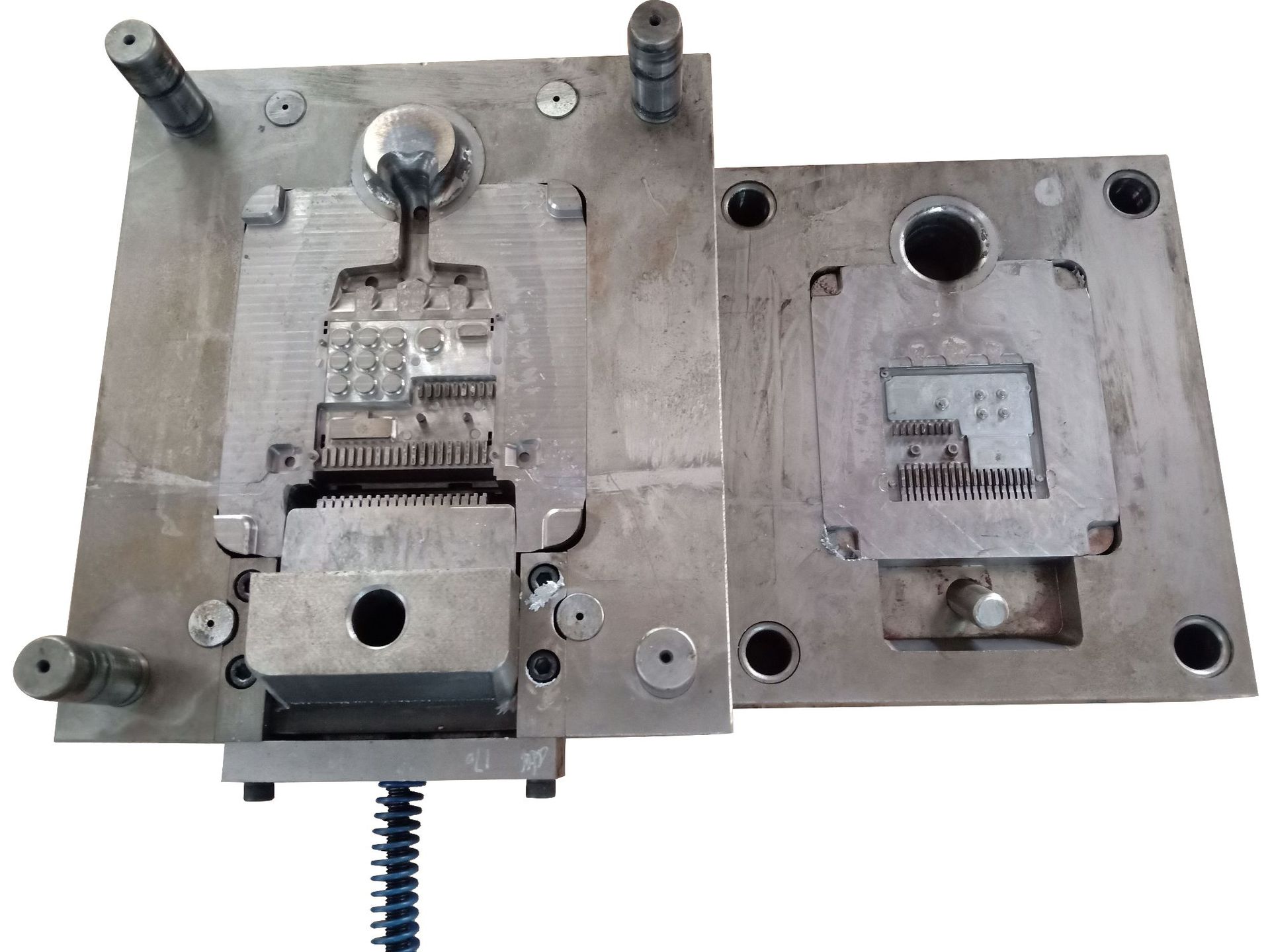
A detailed explanation of the development of wax loss precision casting technology
The silica sol process, also known as wax loss precision casting, is an excellent casting process with little or no cutting, and is widely used in the casting industry. It is not only suitable for casting various types and alloys, but also produces castings with higher dimensional accuracy and surface quality than other casting methods. Even complex, high-temperature resistant, and difficult to process castings that are difficult to cast by other casting methods can be cast using wax loss precision casting. Today we will discuss in detail the development of wax loss precision casting technology.

1. Lost wax precision casting was developed on the basis of ancient wax mold casting. As an ancient civilization, China is one of the countries that used this technology earlier. As early as hundreds of BC, the ancient working people of our country created this wax loss casting technology, which was used to cast products such as bells, tripods, and vessels with various fine patterns and characters, such as the copper ban unearthed from the tomb of Prince Geng of Chu. The side and edges of the vessel are cast with a network of intertwined dragon dragons that strengthen the country and enrich the people. The exquisite and transparent perforations displayed are cast using the wax loss method. Then, with the addition of a pouring system, coating, dewaxing, and pouring, exquisite copper bars can be obtained.
2. The modern wax loss casting method was practically applied in industrial production in the 1940s. At that time, the development of aviation jet engines required the manufacture of heat-resistant alloy parts with complex shapes, precise dimensions, and smooth surfaces, such as blades, impellers, and nozzles. Due to the difficulty of mechanical processing of heat-resistant alloy materials and the complex shape of parts, it is impossible or difficult to manufacture them using other methods. Therefore, it is necessary to find a new and precise forming process. Therefore, drawing on the casting methods passed down from ancient times, through the improvement of materials and processes, modern casting methods have achieved important development on the basis of ancient craftsmanship. So, the development of the aviation industry has promoted the application of wax loss casting, and the continuous improvement and perfection of the process have also created favorable conditions for the aviation industry to further improve its performance.
3. China began to apply lost wax casting to industrial production in the 1950s and 1960s. Subsequently, this advanced casting process underwent tremendous development and was widely adopted in manufacturing industries such as aviation, automobiles, machine tools, ships, internal combustion engines, gas turbines, telecommunications instruments, weapons, medical equipment, and cutting tools, as well as in the manufacturing of arts and crafts.
The so-called wax loss casting process, in simple terms, is to use wax to make a fusible model (referred to as investment mold or model), apply several layers of specially made refractory coatings on it, dry and harden to form a whole shell, and then use steam or hot water to melt the model from the shell. When using high-strength shell, the demolded shell is directly roasted, and after roasting, molten metal is poured into the shell to obtain the casting.

The advantages of precision casting technology
Analysis of Defects in Melting Precision Casting Shell - Bulging
Related Article


