
Die-casting is a precision manufacturing process
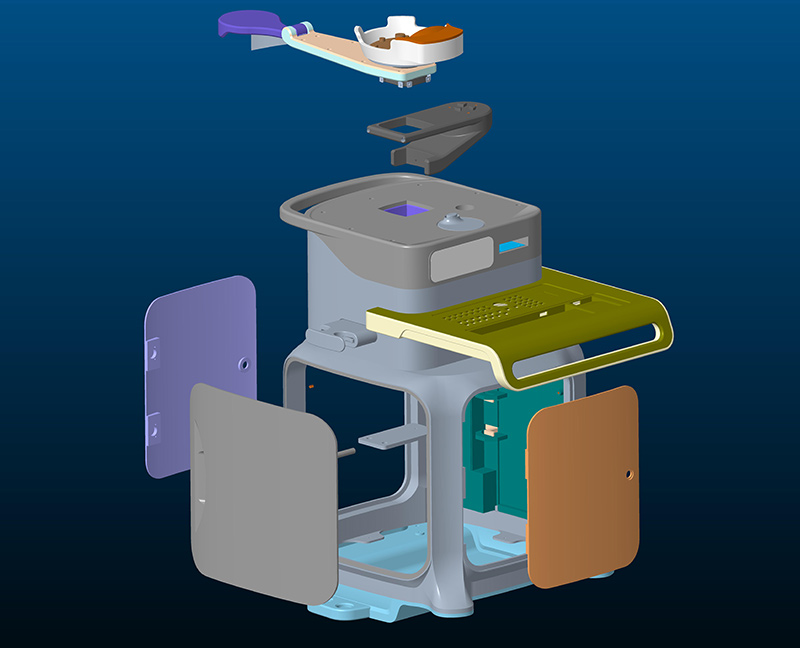
Die pressure refers to the amount of force used in the die casting process to inject molten metal into a mold cavity. The die pressure is critical to achieving high-quality parts with consistent density and minimal porosity.
Die-casting is a precision manufacturing process
that involves injecting molten metals or alloys, such as aluminum, zinc, and magnesium, under high pressure into a mold cavity. This process can create complex, high-quality, and cost-effective parts for a range of industries, including automotive, aerospace, and electronics.
To achieve consistent, high-quality die-casting parts, attention to detail is critical. Here are some important details to consider:
1. Mold design: Proper mold design is essential for producing high-quality parts. The mold should be designed to accommodate the appropriate gating system for the specific part being produced. The gating system is responsible for channeling the molten metal into the mold cavity, and proper design can prevent defects, such as porosity and cold shuts.
2. Material selection: Choosing the right die-casting alloy is important for the final quality and strength of the part. The material should be chosen based on the requirements of the final product and the manufacturing process used.
3. Temperature control: Maintaining proper temperature control during the die-casting process is essential to prevent defects, such as premature solidification and shrinkage porosity. To achieve consistent quality, melting and holding temperatures should be monitored and adjusted as needed.
4. Lubrication: The mold is subjected to repeated cycles of high-pressure injection, and proper lubrication can help prevent wear and extend the life of the mold. Lubrication can also help prevent defects, such as sticking and flashing.
5. Post-processing: After die-casting, the parts may require additional processing, such as trimming and machining. Proper post-processing can help ensure the final part meets all design specifications.
By paying close attention to these details, die-casting manufacturers can produce high-quality parts with a high degree of accuracy and consistency.
压铸是一种精密制造过程,包括将熔融的金属或合金,如铝、锌和镁,在高压下注入模具腔。 这个过程可以为包括汽车、航空航天和电子在内的一系列行业创造复杂、高质量、经济有效的部件。 要实现一致的、高质量的压铸零件,注意细节是至关重要的。 以下是一些需要考虑的重要细节: 1.模具设计:正确的模具设计是生产高质量零件的必要条件。 模具的设计应能适应所生产的特定部件的适当的门控系统。 门控系统负责将熔融的金属导入模腔,适当的设计可以防止孔隙率和冷关闭等缺陷。 2.材料选择:选择合适的压铸合金对零件的最终质量和强度至关重要。 材料应根据最终产品的要求和所使用的制造工艺进行选择。 3.温度控制:在压铸过程中保持适当的温度控制对于防止过早凝固和收缩孔隙率等缺陷至关重要。 为了达到一致的质量,应根据需要监测和调整熔化和保持温度。 4.润滑:模具要经过反复的高压喷射循环,适当的润滑可以防止磨损,延长模具的使用寿命。 润滑也可以帮助防止缺陷,如粘附和闪烁。 5.后加工:压铸后,零件可能需要额外的加工,如修整和加工。 适当的后处理可以帮助确保最终的部分符合所有的设计规范。 通过密切关注这些细节,压铸制造商可以生产出高精度和一致性的高质量部件。
Do you know how to choose the die-casting materials?
Knowledge of die casting alloy
Related Article


