
How CNC precision parts are manufactured
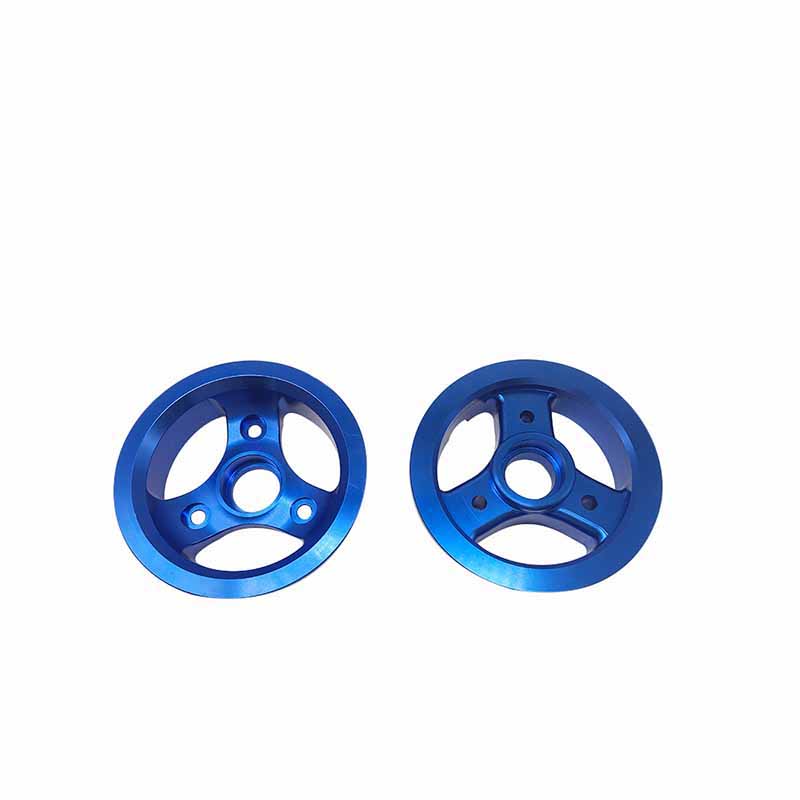
How CNC precision parts are manufactured
The manufacturing of CNC precision parts is a highly precise and precise process, commonly used in industries such as aerospace, automotive manufacturing, and medical equipment. Below, we will provide a detailed introduction to the manufacturing process and process flow of CNC precision parts.
Firstly, The manufacturing process of CNC precision parts usually starts from design. Engineers use computer-aided design software (CAD) to create three-dimensional models of parts. This model will be used as a reference for subsequent processes.
Next, based on the design model, engineers need to convert it into executable instructions, namely machine language code. This step is usually completed through computer-aided manufacturing software (CAM). CAM software can generate corresponding tool paths and machining strategies based on the geometric shape and machining requirements of the parts.
Before entering the actual processing stage, the selection of materials is also a very important step. Different materials have different physical properties and processing characteristics. In general, The materials used in CNC precision parts include metal, plastic, composite materials, etc. Select suitable materials for processing based on the specific requirements and uses of the parts.
When everything is ready, it enters the actual machining process. Firstly, it is necessary to cut the selected raw materials into appropriate sizes for subsequent processing. Usually, sawing machines or cutting machines are used for cutting. Next, according to the machining path generated by CAM software, clamp the parts onto the CNC machine tool.

CNC machine tool is an automated machining equipment that can automatically complete part machining based on pre input instructions and programs. It consists of a control system, spindle, cutting tools, etc. During the machining process, the spindle will rotate and move according to the programmed speed and feed rate. At the same time, the tool will also perform cutting, milling, drilling and other operations according to the predetermined path, gradually removing the material to form the desired geometric shape.
During the processing, The control system of CNC machine tools plays a crucial role. It can accurately control the motion trajectory, speed, and feed rate of the spindle and tool, ensuring the machining accuracy and quality of the parts. The control system usually uses numerical control (NC) programming to input pre written instructions into the machine tool to achieve the desired machining effect.
After processing is completed, necessary surface treatment and adjustment are also required. This includes processes such as deburring, polishing, and spraying to improve the surface quality and service life of the parts. Finally, it is necessary to strictly inspect the dimensional accuracy and quality of the parts. Common detection methods include coordinate measuring instruments, projectors, micrometers, etc. Only after passing strict quality inspection can the parts be confirmed as qualified products.
In summary, The manufacturing process of CNC precision parts includes design, material selection CAM programming, machining, surface treatment, and quality inspection, among other processes. Each step requires precise planning and operation to ensure the accuracy and quality of the parts. Through advanced CNC technology, high-precision and high-quality parts that meet various requirements can be produced to meet the needs of different industries.

What factors need to be considered in manufacturing CNC precision parts?
How to control the surface smoothness of precision mechanical components
Related Article


