
Precision parts machining requirements for material application
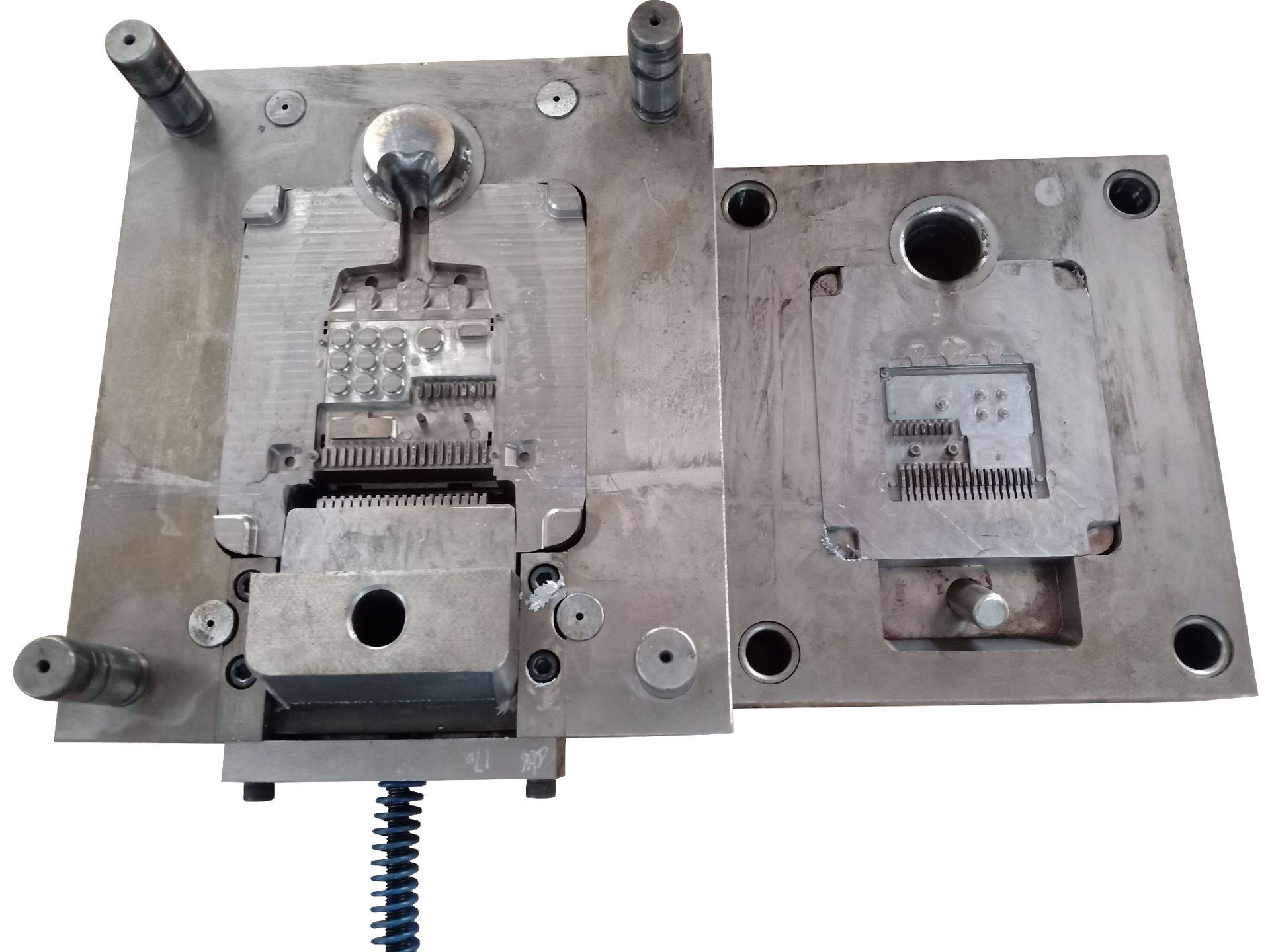
Precision parts machining requirements for material application
Precision parts processing is not all materials can be precision machining, part of the material hardness is too large, beyond the hardness of machining parts, may collapse the parts, so these materials are not suitable for precision machining, unless it is made of special materials, or laser cutting.

For precision parts processing materials are divided into two categories, metallic materials, non-metallic materials.
For general metal materials, the hardness of stainless steel is the largest, followed by cast iron, followed by copper, and finally, aluminum.
The processing of ceramics and plastics belongs to the processing of non-metallic materials.
First of all, the requirements of the material hardness, for some occasions, the higher the material hardness, the better, but limited to the hardness requirements of processing parts, processing materials can not be too hard, if more hard than the parts will cause the inability to process.

Secondly, the material is moderate soft and hard, at least a grade lower than the hardness of the parts, at the same time, the role of the processing device is what to do, the reasonable selection of the parts.
In short, precision machining still has some requirements for materials, and not all materials are suitable for processing, such as too soft or too hard materials, the former is not necessary for processing, and the latter is unable to be processed.
Therefore, the most basic one is that before processing, we must pay attention to the density of the material, if the density is too large, the hardness is also very large, and if the hardness exceeds the hardness of the parts of the machine (lathe knife), it cannot be processed, not only will damage the parts, but also cause danger, such as the knife flying out.
Therefore, generally speaking, for mechanical processing, the material material should be lower than the hardness of the machine knife, so as to be processed.

Classification of common cutting tools for machining equipment
The 5 stages of precision mechanical parts processing
Related Article


